Starting an online store sounds exciting—until you realize how many things you have to figure out.
You need a website, product pages, payment options, shipping, marketing, security, and a way to manage everything without getting completely overwhelmed.
That is where
Shopify comes in.
Shopify is one of the most popular ecommerce platforms for creating and running an online store. But popularity alone doesn't mean it's the right choice for everyone.
So, is Shopify actually worth paying for in 2026?
In this review, I'll break down how Shopify works, its main features, pricing, advantages and disadvantages, and how it compares with alternatives like WooCommerce. By the end, you'll have a much clearer idea of whether Shopify deserves a place in your ecommerce plans.
What Is Shopify?
Shopify is an ecommerce platform that lets you create and manage an online store from one place.
Instead of purchasing separate services for hosting, website management, product listings, checkout, and other ecommerce functions, Shopify brings many of these tools together.
You can use it to sell physical products, digital products, subscriptions, services, and more.
The platform is particularly attractive to people who want to spend more time
building their business and less time worrying about the technical side of running a website.
And that's probably Shopify's biggest selling point:
you don't need to be a technical expert to get started.
Why Is Shopify So Popular?
There are plenty of ecommerce platforms available, so why do so many businesses choose Shopify?
The answer is simple: convenience.
Shopify takes many of the complicated parts of running an online store and puts them behind a relatively straightforward dashboard.
You can:
- Add products
- Create collections
- Customize your storefront
- Manage orders
- Track inventory
- Set up payments
- Manage customers
- Add marketing tools
- Install apps
- Monitor store performance
Instead of piecing everything together yourself, you get a central place to manage your store.
For a first-time store owner, that can make a huge difference.
Shopify Features That Actually Matter
Shopify has a long list of features, but not every feature will matter equally to every business.
Here are some of the most useful ones.
1. Store Builder
You don't need to build your store from scratch with code.
Shopify provides themes and customization tools that allow you to create a storefront that matches your brand.
You can change things such as:
- Colors
- Fonts
- Images
- Product layouts
- Navigation
- Homepage sections
This makes it possible to create something professional without hiring a developer immediately.
2. Product Management
Adding and managing products is one of the core parts of running an ecommerce business.
Shopify allows you to organize products with information such as:
- Product names
- Prices
- Images
- Descriptions
- Variants
- Inventory
- Collections
For stores with dozens or hundreds of products, having everything organized in one dashboard can save a lot of time.
3. Payments and Checkout
A beautiful website won't help much if customers struggle to pay.
Shopify provides ecommerce checkout functionality and supports multiple payment options depending on your location and setup.
This is important because customers expect the purchasing process to be simple.
The fewer unnecessary steps between
"I want this" and
"Order confirmed," the better.
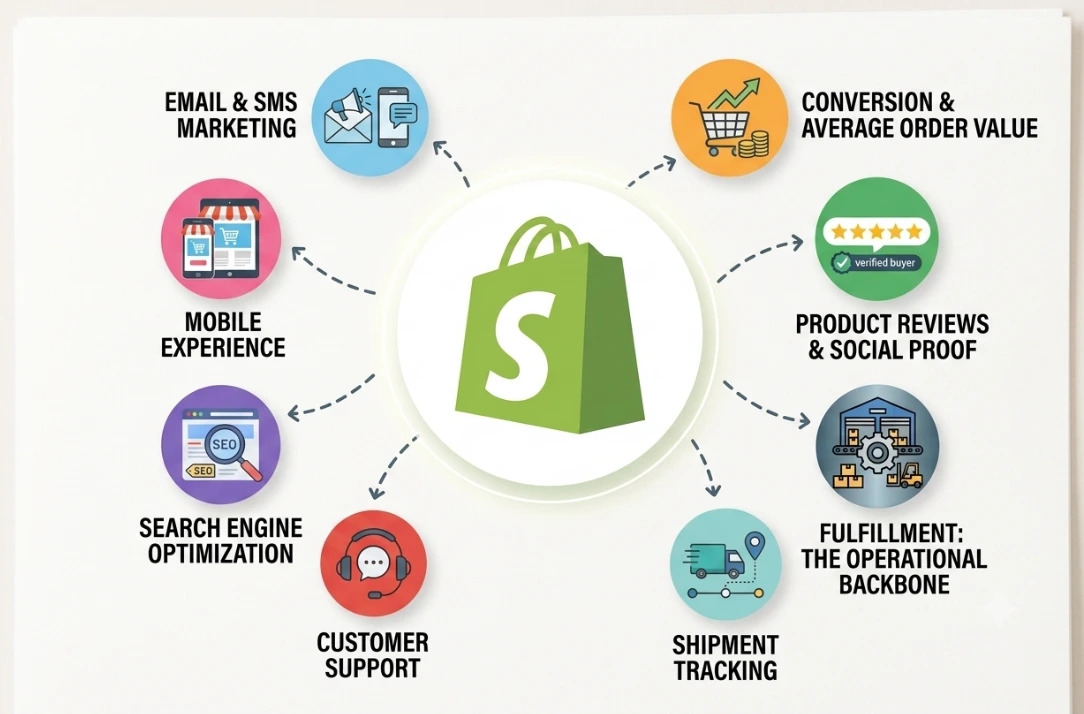
4. Shopify App Store
This is where Shopify becomes particularly flexible.
The Shopify ecosystem includes apps that can extend your store with additional functionality.
Depending on your needs, you can find tools for:
- Email marketing
- Reviews
- SEO
- Analytics
- Dropshipping
- Customer support
- Product upselling
- Inventory
- Social media marketing
The advantage is flexibility.
The disadvantage?
Those apps can increase your monthly expenses.
It's easy to start with a reasonable Shopify bill and gradually add several paid apps until your total cost is much higher than expected.
5. Mobile Store Management
Running an online business doesn't always mean sitting in front of a computer.
Shopify's mobile tools allow store owners to manage important aspects of their business while away from their desks.
That's useful when you're checking orders, monitoring your business, or making quick changes on the go.
How Does Shopify Work?
Getting started is relatively straightforward.
Step 1: Create Your Shopify Account
Sign up and begin setting up your store.
Step 2: Choose a Store Design
Select a theme and customize it to fit your brand.
Step 3: Add Your Products
Upload your products, images, descriptions, prices, and inventory.
Step 4: Set Up Your Store
Configure important areas such as payments, shipping, taxes, and your domain.
Step 5: Test Everything
Before sending customers to your store, make sure your product pages, checkout, payment process, and navigation work properly.
Step 6: Launch
Once everything is ready, your store can start accepting customers.
The important thing is that Shopify handles much of the technical infrastructure behind the scenes.
You get to concentrate on the part that actually grows the business:
getting customers and making sales.
Shopify Pros and Cons
No ecommerce platform is perfect.
Pros
- Beginner-friendly
- Professional-looking storefronts
- Strong ecommerce features
- Large app ecosystem
- Scalable for growing businesses
- Good store management tools
- Less technical work than building from scratch
Cons
- Monthly subscription cost
- Paid apps can increase expenses
- Some advanced features require additional tools
- Less control than a completely self-hosted solution
- Transaction/payment costs can depend on your setup
Shopify's biggest advantage is also its biggest trade-off.
You pay for convenience.
For many business owners, that's a good trade. For others, a more customizable platform may make more sense.
Shopify Pricing: How Much Does It Cost?
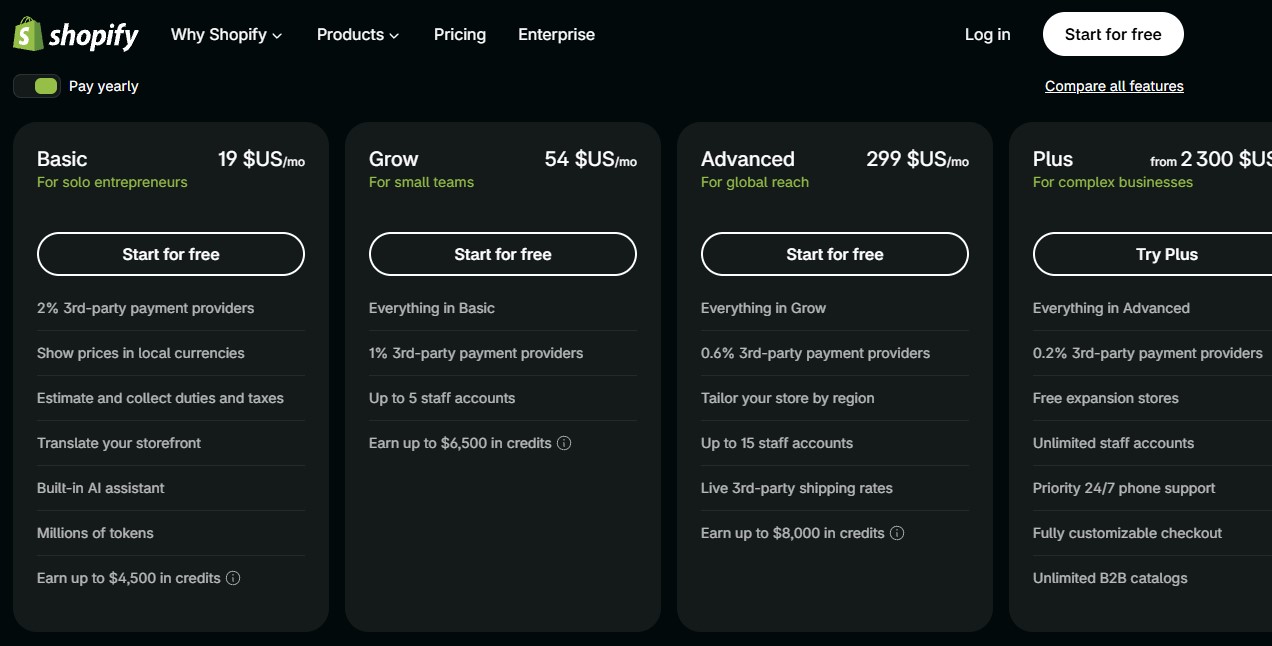
Shopify offers different plans designed for different types and sizes of businesses.
However, don't look only at the monthly subscription when calculating your real cost.
Your total ecommerce budget may also include:
- Domain name
- Premium theme
- Paid apps
- Payment processing
- Marketing software
- Email services
- Shipping costs
- Professional services
This is something new store owners sometimes overlook.
A platform may appear affordable at first, but your actual monthly cost depends on how many additional services your business needs.
Tip: Always check Shopify's current official pricing before purchasing because plans, features, and pricing can change.
👉
Check Shopify's latest plans and pricing
Shopify vs WooCommerce: Which Is Better?
Shopify and WooCommerce are both popular, but they take very different approaches.
| Feature |
Shopify |
WooCommerce |
| Ease of setup |
⭐⭐⭐⭐⭐ |
⭐⭐⭐ |
| Technical control |
⭐⭐⭐⭐ |
⭐⭐⭐⭐⭐ |
| Hosting |
Included |
Usually separate |
| Customization |
Excellent |
Excellent |
| Beginner friendly |
Excellent |
Moderate |
| App/plugin ecosystem |
Strong |
Strong |
| Maintenance |
Easier |
More hands-on |
Choose Shopify if...
You want an easier setup and don't want to spend much time dealing with hosting, technical maintenance, and website infrastructure.
Choose WooCommerce if...
You already use WordPress or want greater control over your website's technical setup.
Neither platform is automatically "better."
The better option depends on
how much control you want versus how much convenience you want.
Who Is Shopify Best For?
Shopify can be a particularly good choice for:
Beginners
If you're creating your first online store, Shopify removes much of the technical friction.
Small Businesses
Small businesses can start with the essentials and expand as their needs change.
Entrepreneurs
If you have a product idea and want to test it quickly, Shopify can help you get a storefront online without building everything from scratch.
Growing Brands
Businesses that eventually need more advanced ecommerce functionality can expand Shopify with additional tools and integrations.
Who Should Probably Avoid Shopify?
Shopify isn't necessarily the best choice for everyone.
You may want to consider alternatives if:
- You already have a strong WordPress setup.
- You want maximum technical control.
- You don't want recurring platform fees.
- You prefer managing your own hosting.
- You need highly specialized functionality that Shopify doesn't handle well.
The goal shouldn't be to choose the platform everyone else uses.
The goal is to choose the platform that makes
your particular business easier to run.
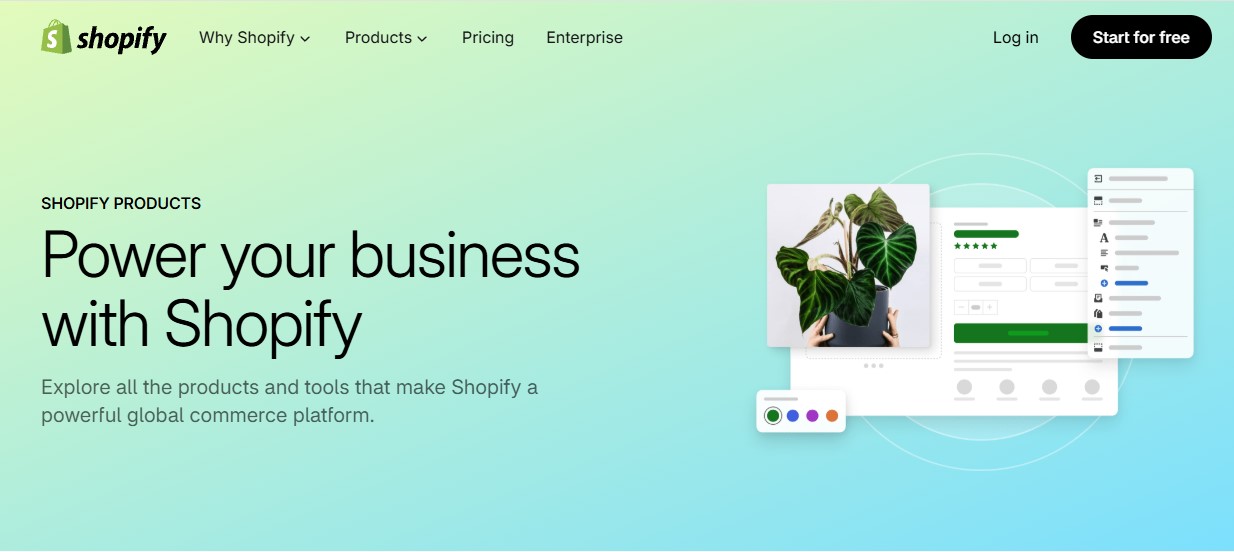
Is Shopify Worth It in 2026?
For many people,
yes.
But there's an important condition.
Shopify is worth considering if the convenience, ecommerce tools, and ease of management save you enough time and technical headaches to justify the cost.
Think about it this way:
If you're spending weeks trying to build and maintain a store instead of selling your products, saving money on the platform isn't necessarily saving money.
On the other hand, if your business is very small and you only need a basic website, paying for features you don't use may not make sense.
My recommendation
If you're serious about starting an online store and want an ecommerce platform that is relatively easy to set up and manage, Shopify is one of the strongest options to consider.
Start simple.
Don't immediately install 20 apps.
Don't spend your entire budget on a fancy theme.
Get your products online, make the buying process easy, learn what your customers actually need, and then invest in additional features as your store grows.
Frequently Asked Questions
Is Shopify good for beginners?
Yes. One of Shopify's biggest advantages is that it allows beginners to create and manage an ecommerce store without needing extensive technical knowledge.
Can I make money with Shopify?
Shopify itself doesn't guarantee sales. It provides the infrastructure for your store, but your results depend on factors such as your products, pricing, marketing, customer service, and ability to attract customers.
Is Shopify better than WooCommerce?
It depends on your priorities. Shopify generally offers a simpler, more managed experience, while WooCommerce can provide greater control and flexibility for WordPress users.
Is Shopify expensive?
It can be affordable for some businesses, but your actual cost depends on your Shopify plan and additional expenses such as apps, themes, domains, payment processing, and marketing.
Can I use Shopify without knowing how to code?
Yes. You can build and manage many types of Shopify stores without knowing how to code.
Is Shopify worth paying for?
For businesses that value ease of use, built-in ecommerce functionality, and reduced technical maintenance, Shopify can be worth the investment.
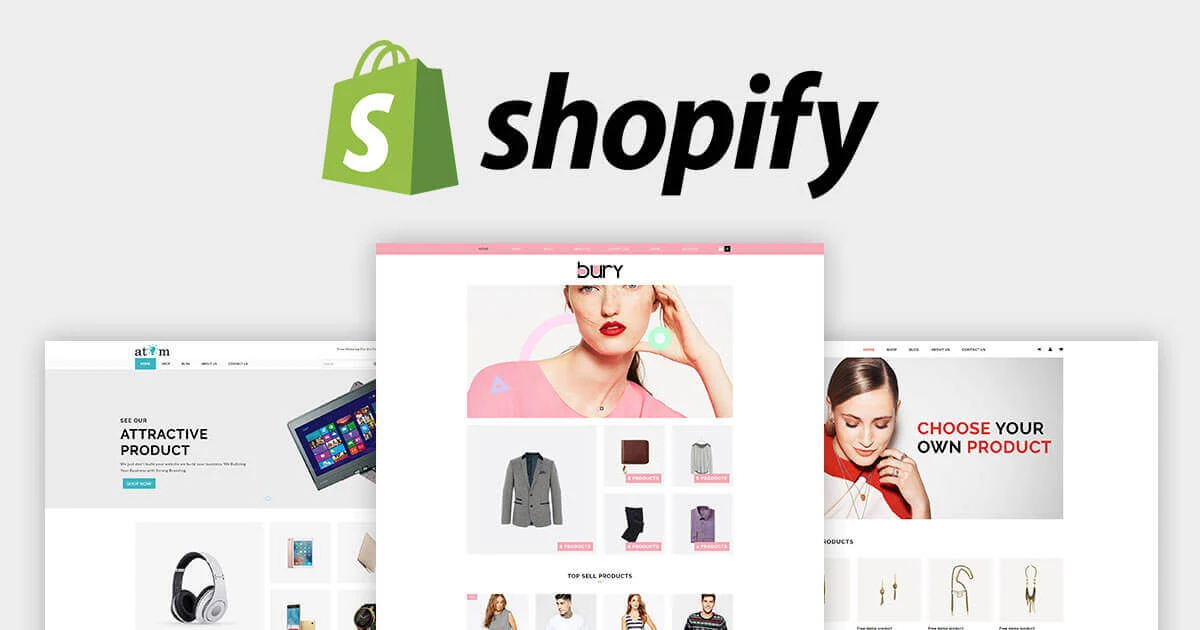
Final Verdict: Should You Use Shopify?
Shopify isn't a magic button that turns a product into a successful business.
But it can remove one of the biggest obstacles for new entrepreneurs:
building and managing the store itself.
If you want an ecommerce platform that is easy to start with, professional enough to build a serious brand on, and flexible enough to grow with your business, Shopify deserves serious consideration.
Best for: Entrepreneurs, small businesses, beginners, and growing ecommerce brands.
Not ideal for: People who want maximum technical control or don't want recurring platform costs.
If you're ready to stop planning and actually build your store, Shopify is a good place to start.
👉
Start your Shopify store today